What I Learned From My First 100-Mile Ultra
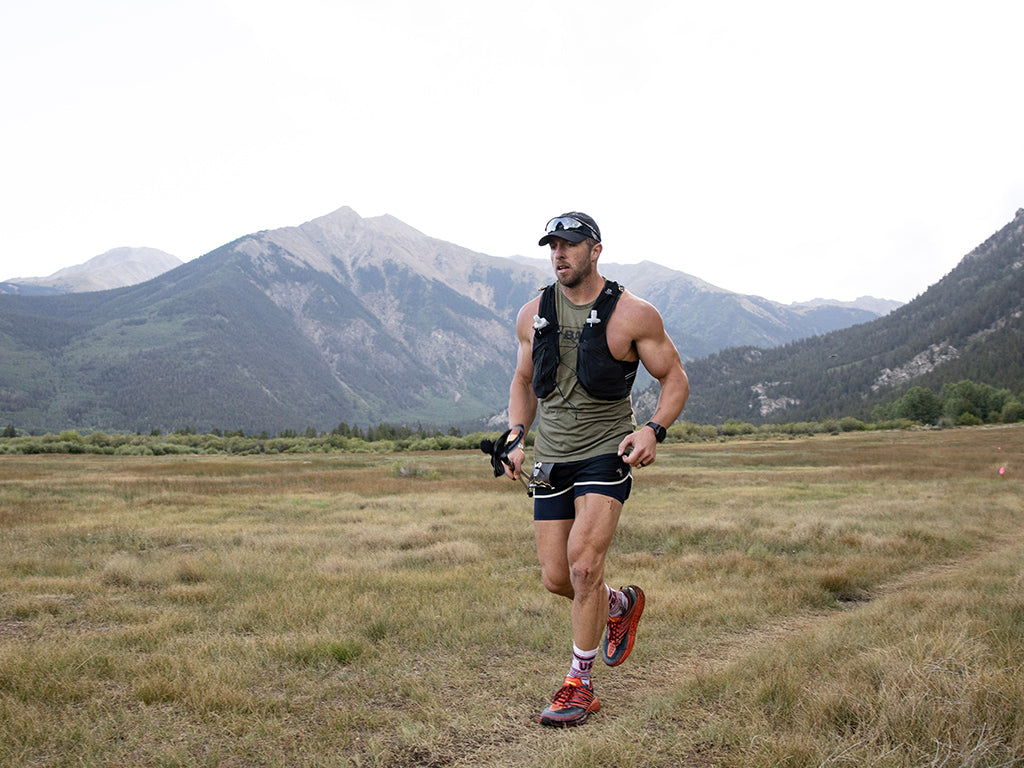
What better way to enter the ultramarathon world than by ascending/descending 15,600 feet for 100 miles across the Rocky Mountains in Leadville, Colorado (Elevation: 10,151 feet.) It was truly an unforgettable experience that I know I will do again at some point in my life, but I wanted to share what I learned from my personal experience after completing my first ultramarathon.
For the past few years running the Leadville 100 had been a dream. I had entered the lottery before but was not selected to run. Fortunately, 2021 was my lucky year, and my lottery ticket was pulled, which provided me the opportunity to run the trail starting August 21st.
After completing the 100-mile race in 27 hours, 53 minutes, and 5 seconds I wanted to share 6 tips that can help you prepare for your first ultramarathon.
1. Train For Your Specific Race
At the time I am writing this, I have only completed one ultramarathon, but I am currently training for my second 100-mile race. This race is located in Huntsville, Texas (Rocky Racoon) and doesn't exceed 380 feet of elevation. The Leadville 100 reached about 12,600 feet of elevation. The Rocky Racoon is flat and fast, while the Leadville 100 provides many climbing "opportunities" and is generally a slower race.
I point out those details to reinforce the idea that you should train for your specific race. If your race climbs a lot of mountains, be prepared to climb. If your race is located at a higher elevation, be prepared to breathe. If your race is full of very technical terrain, be familiar with running on that specific terrain.
All of my training for the Leadville 100 was done in Texas, which does not exactly prepare you to run in the mountains of Colorado. To be as ready as possible, I located trails in central Texas with technical terrain. I tested out multiple trail shoes that best fit my build, running form, and foot through harsh features. To breathe more efficiently in Colorado, I slept in a Hypoxico Altitude Tent, which allowed me to sleep at 12,000+ feet. To get ready for the climbing, I spent a significant amount of time on the Stairmaster, in combination with my weekly running volume.
Be smart and educate yourself on the course you plan on running. Prepare as much as you can to simulate the conditions, but sometimes (like in my case), you have to get creative to replicate terrain, elevation, climate, and mountains.
2. Have A Race Strategy Plan
I believe in the saying, "If you fail to plan, you should plan to fail."
The military does an excellent job teaching you how to establish a plan, conduct rehearsals, and execute. A 100-mile race should be no different.
If you have access to a course map, I highly recommend studying the route, checkpoints, or easily recognizable terrain features (mountains, streams, roads, etc.).
When I started planning my race strategy, I established etas for each checkpoint to maintain the paces I wanted to hit and so that our crew could have an idea of when I would arrive. Those paces were planned based on the leg of the race I was in, changes in elevation, terrain technicality, and whether it was daytime or nighttime. My paces in the morning when I was fresh, and it was light outside were planned to be faster than when I was at mile 75, and it was dark.
It is also important to plan for your hydration and nutrition needs throughout the race, which I will touch on later in this article. You need to plan for the equipment you will need for specific legs of the race and ensure it works by inspecting it before starting. For example, based on the terrain, I knew I wouldn't need my trekking poles until mile 38 before heading up Hope Pass, and I would also need cold-weather gear to start the race and when the sun started to set later in the day.
Take your time with the planning process. Ask yourself what you think you will need at each checkpoint of the race. Have your crew prepared to have these items ready when you arrive or have them packed in drop bags at checkpoints. Consider the weather, time of day, light, terrain, and how your body will feel.
3. Assemble A Committed Crew
A solid crew can make or break your ultramarathon, and while you may not have access to an experienced crew, you need a committed crew.
Your crew plays a vital role in the journey through an ultra. They will carry and prepare some of your fuel sources at checkpoints, help you re-fill anything you have run out of, and support you through some of the most challenging points of the race.
The best thing you can do is set realistic expectations for your crew before this journey begins. The moment our team landed in Leadville, Colorado, we all started working together to prepare for the big day. We drove to the checkpoints, scouted locations, inspected the terrain and routes, familiarized everyone with the map, and conducted rehearsals/walk-throughs for different parts of the race.
The night before the Leadville 100 started, we had a team meeting. During that meeting, we walked through each phase of the race, broken down by checkpoints. Everyone had maps and documents that laid out my plan, etas for checkpoints, and nutrition/equipment that I would require to pick up/leave at specific locations.
Before the race started, everyone in the crew knew their role, responsibilities, and plan.
"If You Want To Go Fast, Go Alone, But If You Want To Go Far, Go Together"
4. Fuel Properly Or Fall Behind
While I believe this is one of the most common mistakes many endurance athletes make, it is one of my strengths. I know my body, and I know how it performs. It performs best when it's fueled and ready. You will see runners fall out of races because they failed to fuel properly. You might be able to get away with running a 5k fasted or with a small snack before, but you can't when it comes to 100 miles. Not only does the pre-race meal matter, but every hour after counts, and you must stay on top of your nutrition plan. If you fail to fuel or fall behind in your plan, you should plan to fail.
Fueling is not something that you pull out of your back pocket and try out on race day. You should practice your race fuel strategy during training sessions, long runs, workouts, etc. The race nutrition plan is as important as knowing the course, terrain, conditions, and checkpoints.
My Nutrition Plan For Leadville 100
5. Be Prepared With Essential Gear and Equipment
As I previously stated, the military prepares you to plan, but after completing my first ultramarathon, I also believe they provide you with all the required skills you need to finish an ultra.
One of those things is overcoming the mental battle, which we will discuss next, but right now, we are talking about essential gear and equipment. I personally always like having "extras" of everything I will need, which meant an abundance of nutrition, batteries, cold weather gear, and trekking poles. I even had an extra vest in the event that mine broke throughout the race.
Your gear and equipment needs will be dependent on the race you are running, the terrain, weather, climate, distance, etc.
I will list what I had prepared for the race, most of which my crew transported in the back of the truck, but make sure you conduct inspections on all of your equipment. The few days leading up to the race, including the night prior, I checked that my headlamps worked, trekking poles assembled correctly, water bottle flasks didn't have any holes, etc. Lay everything out and inspect that it is there and that it works.
- Salomon Running Vest
- Extra Soft Water Flasks and Fluid Bladders
- Sunglasses
- Hat
- Extra Trail Shoes
- Headlamps
- Batteries
- Nutrition
- Trekking Poles
- Gloves
- Cold-weather Gear (Jacket, Beanie, Thermal Long Sleeve)
- Socks
- Chafe Cream
- Chapstick
- Tylenol
- Caffeine Tabs
- Medical Kit
- Biofreeze (Pain Relief Cream)
6. Set Realistic Expectations For The Mental Battle
It is not a matter of if, but when.
An ultramarathon is tough, and a lot can happen throughout a race. I think that the Rocky Mountains metaphorically describe an ultramarathon pretty well. There are highs and lows, peaks and valleys, sunlight and darkness, but the entire thing is breathtaking and amazing to experience.
There are going to be times of hurt, pain, and struggle, but would we sign up for them if there wasn't?
If it were easy, everyone would do it, right?
Go into your race mentally and physically prepared for the battle because when you cross that finish line, you won't remember the dark times, but you will forever remember the light.
Go One More.